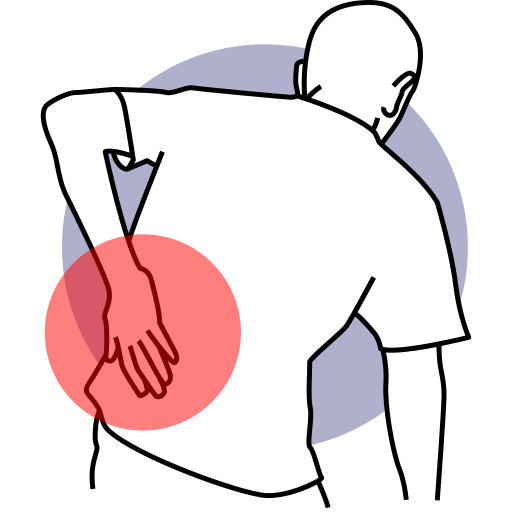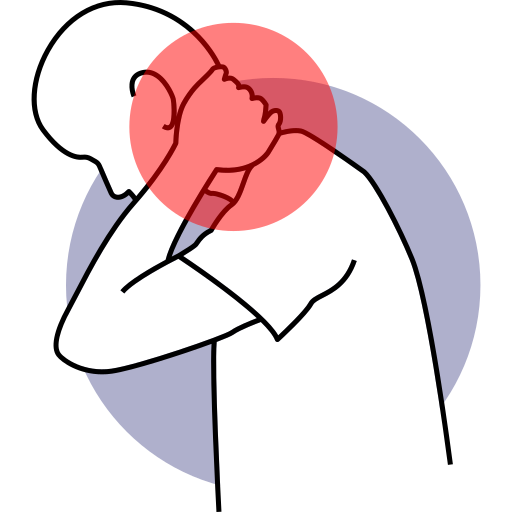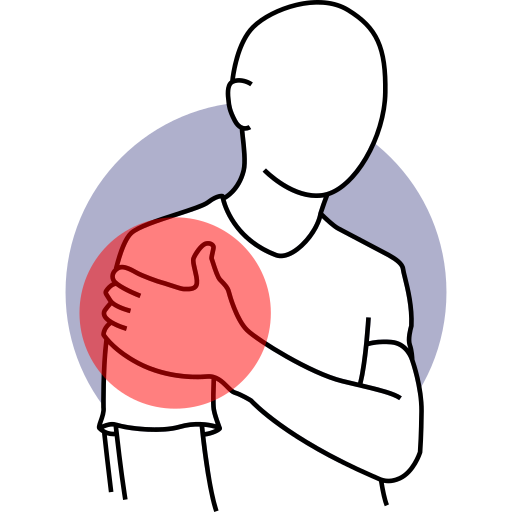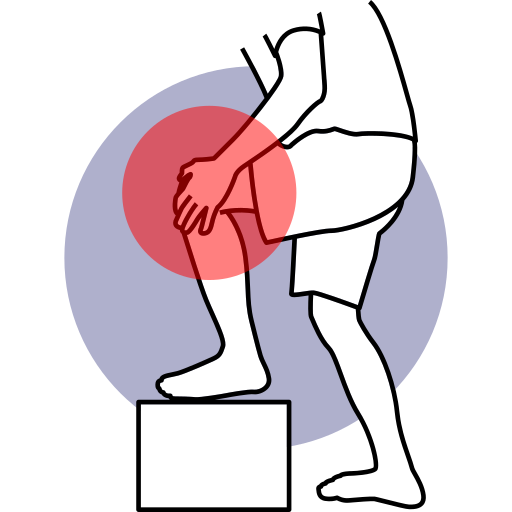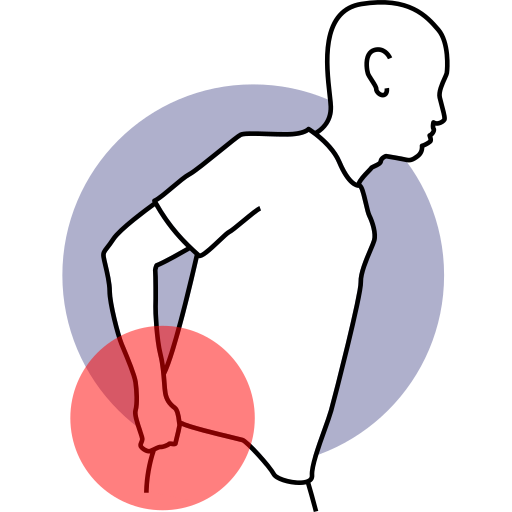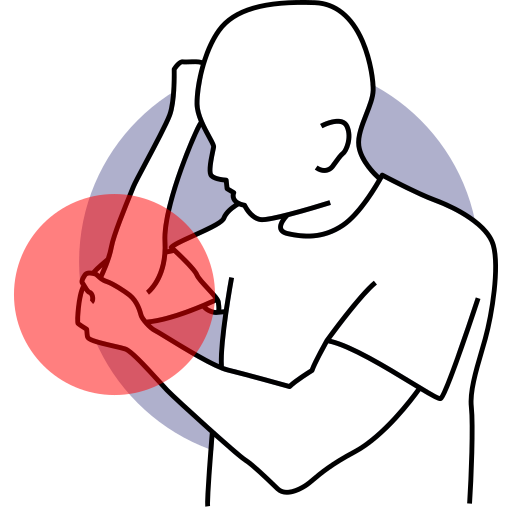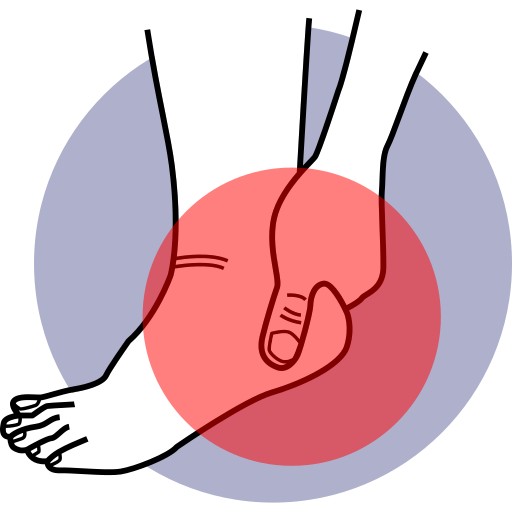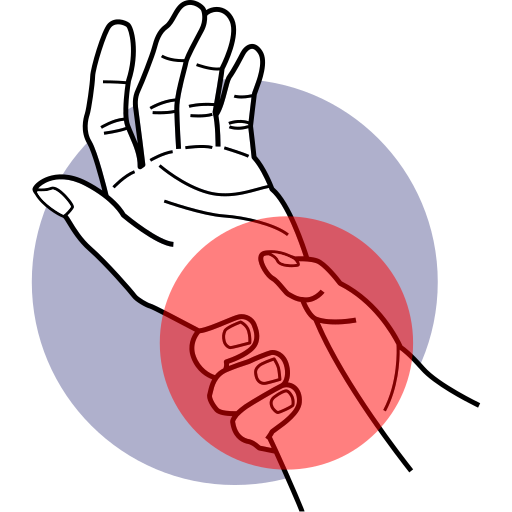

Most joint and muscle pain issues occur as a result of either trauma, overuse, or engaging in activities that you are not used to performing on a daily basis.
In the absence of fracture or dislocation, most of these problems get diagnosed as either sprain, strain, tendonitis, bursitis, or arthritis by the medical community.
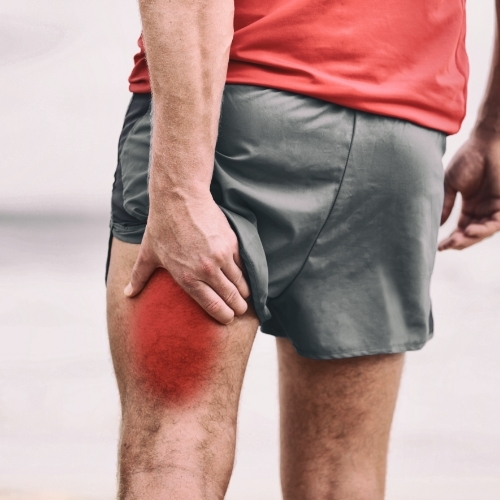
Common Orthopedic Diagnoses
Shoulder/Arm
- Impingement syndrome
- Rotator cuff tear
- Frozen shoulder
- Labral tear
- Instability
Ankle / Foot
- Achilles strain / tendinopathy
- Plantar fasciitis
Elbow
- Tennis elbow
- Golfer’s elbow
- Epicondylitis
- Cubital tunnel syndrome
Knee
- Meniscus tear
- ACL injury
- Patellofemoral pain syndrome
Wrist
- Carpal tunnel syndrome
- De Quervain’s tenosynovitis
- TFCC tear
Hip
- Groin strain
- Impingement syndrome
- Labral tear
- IT band syndrome
- Piriformis syndrome

Simplifying the Problem
We accurately classify your condition into one of the following easy-to-understand categories, and match it with the most appropriate treatment approach.
- Joint: Improve joint mobility/stiffness
- Muscle: Improve muscle/tendon loading ability
- Chemical: Reduce effects of inflammation
- Spine: Treat the back/neck to improve extremity pain
- Behavior: Improve pain perception and coping strategies
No Unnecessary Visits
While a majority of extremity problems recover quickly, the slower responders (tendon pain or peripheral sensitization) do not need several appointments a week like in a traditional setting, nor would we ask you to seek advanced imaging or invasive treatments right away.
All follow-up visits are strategically made based on meeting specific goals in a timely fashion. Adequate expectations are set from the very beginning to guide you throughout your recovery so that you don’t end up chasing multiple providers or desire expensive tests that would offer no additional benefit. Advise to consult other specialists for possible injections or surgery is reserved for those rare instances where significant improvement is not seen within an expected time frame.
| Myth | Fact |
|---|---|
| Inflammation must be causing the pain especially if the onset of pain is recent | Most orthopedic problems are mechanical in nature (affected by movement), hence do not always respond favorably to rest, ice or anti-inflammatory medications alone, and need movement-based interventions. |
| Abnormal findings on MRI is the reason for pain. | Abnormalities on imaging do not always correlate with pain as they are extremely common even in the joints and muscles of people who do not hurt at all. |
| Problem lies where it hurts (for example, shoulder pain is because of an issue in the shoulder). | Up to 40% of pain in the shoulder, knee, hip or elbow is in fact due to a movement-based issue in the spine even in the absence of back or neck pain. |
Your Next Steps…
Request An Appointment
Receive A Custom Treatment Plan
Work Hard and Progress In Your Recovery
Recover & Enjoy Life Pain-Free!