
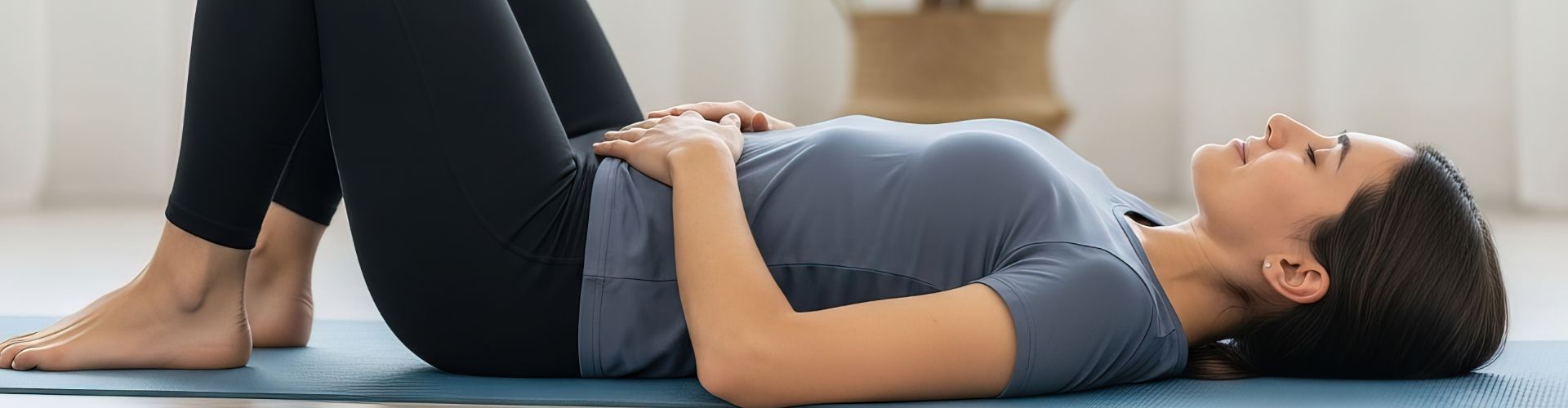
Are Pelvic Floor Symptoms Getting in the Way of Your Day?

Discover Personalized Pelvic Floor Physical Therapy in Princeton, NJ
Pelvic floor symptoms can affect exercise, sleep, work, intimacy, and everyday activities, but you don’t have to simply adjust your life around them. At Seva Orthopedic Physical Therapy, we provide personalized in-network physical therapy for pelvic health in Princeton, NJ, with focused care based on your symptoms, goals, and comfort level. Our one-on-one sessions take place in private treatment rooms, so you can discuss your concerns openly with your physical therapist and receive individualized care.
Understanding Pelvic Health
Pelvic health addresses concerns related to the muscles, joints, nerves, and other structures that support healthy function throughout the pelvis. An important part of this system is the pelvic floor, a group of muscles that helps support the pelvic organs and contributes to the function of the bladder, bowel, and reproductive organs. These muscles also contribute to stability through the pelvis and trunk.
Like other muscles in the body, pelvic floor muscles can become weak, tense, painful, or poorly coordinated. Symptoms may also be influenced by changes in surrounding muscles, joints, breathing patterns, and movement habits.
A comprehensive evaluation from the Seva Orthopedic Physical Therapy’s pelvic floor physical therapist can help identify contributing factors and determine an appropriate treatment approach.
What Pelvic Health Issues Can Physical Therapy Address?
Pelvic health physical therapy may be appropriate for people experiencing:
- Urinary urgency, frequency, or leakage
- Bowel dysfunction or difficulty with bowel movements
- Pelvic, abdominal, or tailbone pain
- Pain with sexual activity
- Pelvic organ prolapse symptoms
- Pregnancy-related pelvic or low back discomfort
- Postpartum weakness, pain, or changes in function
- Difficulty returning to exercise after pregnancy
- Pelvic floor muscle weakness, tension, or coordination problems
Your symptoms are personal, and your treatment should be too. Your physical therapist will work with you to understand how your symptoms affect your daily life and to develop a plan focused on the activities you want to regain.
How Can Physical Therapy Improve Pelvic Health?
Treatment begins with a thorough evaluation of your symptoms, movement, strength, mobility, and pelvic floor function. Your physical therapist can then select techniques based on your assessment. These might include:
- Pelvic floor muscle training: Guided exercises can help improve the strength, endurance, relaxation, and coordination of the pelvic floor muscles.
- Breathing and pressure management: Your therapist may teach breathing strategies that improve coordination between the diaphragm, abdominal muscles, and pelvic floor, particularly during lifting, exercise, and daily activities.
- Therapeutic exercise: Individualized exercises can address strength and control in the hips, core, back, and surrounding muscles that contribute to pelvic function.
- Manual therapy: Hands-on techniques applied externally may help relieve muscle tension, soft-tissue restrictions, and mobility limitations in the abdomen, hips, low back, and pelvis.
- Movement and activity retraining: Your therapist can help you modify and gradually progress activities such as lifting, running, exercising, or returning to activity after pregnancy.
- Bladder and bowel education: Practical strategies involving habits, positioning, timing, and movement may help improve bladder and bowel function.
At Seva Orthopedic Physical Therapy, you receive your therapist’s full attention during one-on-one sessions in a private treatment room. We also offer in-network pelvic floor physical therapy, helping make specialized care more accessible. In most cases, appointments are available within 48 hours.
Get Back to Moving With Greater Confidence
Pelvic health concerns can be difficult to discuss, but getting the right care can help you better understand your symptoms and take meaningful steps toward improved function. Contact Seva Orthopedic Physical Therapy today to schedule an evaluation and learn how individualized pelvic health physical therapy in Princeton, NJ can support your goals.
Pelvic Health Physical Therapy FAQ
Do I need to have had a baby to benefit from pelvic floor physical therapy?
No. Pelvic floor dysfunction can affect people of all genders at many stages of life. Physical therapy may help when symptoms involve bladder or bowel function, pelvic pain, sexual function, exercise, or pelvic floor muscle coordination.
Can pelvic floor physical therapy help me return to exercise?
Yes. Pelvic floor physical therapy can help address strength, coordination, mobility, and pressure management that may affect activities such as running, lifting, or recreational exercise. Your therapist can develop a gradual, individualized plan to help you return to the activities you enjoy.
Does insurance cover pelvic floor physical therapy?
Coverage depends on your individual insurance plan and benefits. Seva Orthopedic Physical Therapy offers in-network pelvic floor physical therapy in Princeton, NJ, and we’re happy to answer any questions about your coverage before your first appointment.
What happens during my first pelvic health physical therapy appointment?
Your first appointment usually begins with a detailed conversation about your symptoms, medical history, activities, and goals. Your physical therapist may then assess posture, breathing, movement, core and hip function, and the muscles surrounding the pelvis. Depending on your symptoms and comfort level, a pelvic floor muscle assessment may also be discussed. Treatment recommendations are then based on what is found during the evaluation.
Does pelvic floor physical therapy always involve an internal examination?
No. An internal pelvic floor examination is not automatically required for every patient. It can provide useful information about pelvic floor muscle strength, tension, tenderness, and coordination, but it should only be performed when clinically appropriate and with the patient’s consent. Your therapist can explain why an examination may be helpful and discuss alternatives if you are not comfortable with it.
Do I need a doctor’s referral for pelvic floor physical therapy in New Jersey?
New Jersey allows patients to access physical therapy without first obtaining a physician referral. However, individual insurance plans may have their own referral, authorization, or coverage requirements, so it is helpful to verify your benefits before beginning treatment.
Is pelvic health physical therapy painful?
Pelvic health physical therapy should not be unnecessarily painful. Some areas may be sensitive or tender, particularly when pelvic pain or muscle tightness is present, but treatment should be adjusted to your comfort and tolerance. Communication with your therapist is an important part of pelvic health care.
Clinically reviewed by Brianna Chachoute, PT, DPT
Pelvic Health Physical Therapist
Your Next Steps…
Request An Appointment
Receive A Custom Treatment Plan
Work Hard and Progress In Your Recovery
Recover & Enjoy Life Pain-Free!